
You’re Not Dating Her—You’re Auditioning for Her Group Chat

He thought he was meeting one woman. The review committee was seated six feet away.
There was a time when dating a woman meant getting to know one woman. You asked questions, tried not to chew like a farm animal, and hoped the evening ended with a second date instead of the classic “You’re really great, but…” funeral speech.
Now you are dating her, her best friend, her work wife, her divorced cousin who thinks every man is “emotionally unsafe,” and the friend appointed Director of Red Flag Analytics. Before the appetizer arrives, your shirt, job, drink order, punctuation, and response time may already be circulating through a group chat called Operation: Is He Trash?
The trend now has a shiny name: friendfluence. Tinder’s 2025 Year in Swipe report, which looked ahead to dating in 2026, found that 42% of young singles said friends influence their dating lives. Another 37% planned to go on group or double dates, and 34% said their friends’ relationships gave them hope about dating.
Hinge went even further. Its 2026 research found that 79% of daters turn to friends and family for advice about their dating lives. Then Hinge launched Friend’s Take, a feature that lets friends contribute text, photos, voice notes, or videos directly to somebody’s dating profile.
We moved from “meet my friends” to “review the testimony submitted by my character witnesses.”
Friends can absolutely save someone from a terrible relationship. They can notice manipulation, isolation, disrespect, or dangerous behavior that infatuation keeps covering with a decorative throw blanket. But there is a difference between having trusted friends and outsourcing your romantic judgment to a committee of people who have their own baggage, biases, jealousy, and at least one spectacularly shitty ex they still answer after midnight.
So let’s discuss friendfluence: when the group chat protects you, when it poisons you, and why your date may feel like he’s trying to win a woman while three unseen judges hold up scorecards.
The First Date Now Has an Invisible Review Panel
Imagine you meet a woman for drinks. You believe two people are at the table. Adorable.
In reality, there may be six. She excuses herself for the bathroom, and suddenly your date enters halftime analysis. The group chat receives a photo, your full name, screenshots from your profile, and an urgent briefing:
“He ordered bourbon.”
“Green flag or functioning alcoholic?”
“His shoes look divorced.”
“Ask why his last relationship ended.”
“Already found his LinkedIn. He changed jobs in 2024. Suspicious.”
By the time she returns, her friends have completed a background investigation with the restraint of drunk raccoons inside an evidence room.
Men do this too, but it’s the low-budget version. A guy texts, “She’s hot,” receives four thumbs-up emojis and one idiot asking whether she has a sister. At least the meeting adjourns quickly.
The modern female group chat can be a sophisticated operation. Every message is analyzed like the Zapruder film. If he texts “Sounds good,” one friend decides the period is hostile. If he uses an exclamation point, another thinks he is trying too hard. If he waits an hour, he is avoidant. If he replies immediately, he is needy. He could send a notarized statement and somebody would still type, “Something feels off.”
That “something” is often nothing more than a friend’s unresolved experience wearing a fake mustache. Her ex cheated, so your business trip is suspicious. Her ex love-bombed her, so your flowers are manipulation. Her ex was emotionally unavailable, so your quiet personality is a warning siren. Suddenly you are not being evaluated for who you are. You are appealing convictions from three unrelated men you have never met.
Still, dating can be risky, especially for women. Sharing a date’s name, location, and plans is smart. Friends can identify inconsistencies, verify that someone is real, and make sure their friend gets home safely. That is basic protection.
The insanity begins when safety checks turn into personality prosecution. “Send us his information in case you disappear” is responsible. “He wore brown shoes with black pants, so disappear on him” is a fashion dictatorship pretending to be sisterhood.
Your Friends Can Spot Red Flags—and Manufacture Them
Good friends are valuable because attraction makes people stupid.
You can be staring directly at a human warning label and still think, “But the chemistry is incredible.” Chemistry is also what makes bleach dangerous; perhaps stop treating it as a complete relationship résumé.
Friends see patterns that the person falling in love may miss. They notice when someone repeatedly cancels, insults you as a “joke,” controls your clothing, isolates you from people you love, lies about basic facts, or treats restaurant workers like rented peasants. They remember the things you conveniently forget after the apology sex. A real friend is sometimes the only person willing to say, “This is the third time you’ve cried in my kitchen over someone you’ve known for six weeks. Maybe the soul-mate story needs editing.”
Psychology Today’s 2026 discussion of friendfluence noted that friends can introduce prospects, improve confidence, and steer someone away from repeating bad choices. That is friendfluence working properly: perspective, support, and the occasional loving slap back into reality.
But not every friend giving relationship advice is remotely qualified to give it.
Some people treat the permanently single friend as the group’s romantic Supreme Court justice. She has not had a functional relationship since Obama was president, but delivers verdicts like she invented emotional availability. Every disagreement is abuse. Every compromise is “settling.” His boundaries are controlling; hers are federal law.
Then there is the friend who fears losing her drinking partner, resents somebody else’s happiness, or hates what your stability says about her chaos. She doesn’t provide advice; she plants termites.
“You’re going to let him talk to you like that?”
He said he preferred dinner at seven instead of eight.
“I just think you deserve someone obsessed with you.”
He has a job, Melissa. He cannot spend eleven consecutive hours validating a brunch photo.
The best friends ask questions. The worst friends issue commands. A good friend says, “How did that make you feel?” A controlling friend says, “Dump him,” then settles in with popcorn because your emotional collapse has become tonight’s entertainment.
And here is the uncomfortable question: Does the group chat actually want the best partner for her—or the partner who creates the best content for the group chat?
Healthy love is often boring from the outside. There are no emergency screenshots, no 2:00 a.m. investigations, and no weekly cliffhanger. Two adults communicate, resolve a disagreement, and go to bed. Terrible television. Great relationship.
The Apps Have Turned Your Love Life into a Team Sport
Friendfluence is not merely something people invented while passing a phone around at brunch. Dating companies are designing it into the product.
Tinder declared the group chat one of the real matchmakers of 2026. Hinge’s Friend’s Take allows a dater to invite up to ten people to submit testimonials, select three to display, and the friend needs no Hinge account.
That means dating profiles now have references.
We used to laugh at résumés that said “references available upon request.” Now Brad’s profile comes with a video from his roommate explaining that Brad is “the guy everyone calls during a crisis.” Fantastic. Does Brad load the dishwasher correctly? Has Brad ever successfully apologized without adding “but you”? Can Brad find the clitoris without a map and a search-and-rescue helicopter? These are the performance metrics the public needs.
Friends may reveal qualities that selfies and recycled prompts cannot. “I love travel, tacos, and laughing” tells us nothing. Every profile reads like the same attractive hostage was ordered to name three acceptable human activities. A friend might offer a specific story demonstrating loyalty, humor, or generosity.
But let’s not pretend testimonials are neutral journalism. Nobody invites the friend who says, “She’s wonderful, but if she says ‘I’m fine,’ cancel your plans and notify local authorities.” You choose the friend who writes five-star propaganda. It is Yelp for human beings, except the business owner gets to delete every review mentioning the emotional cockroaches.
Thirty-seven percent of the young singles in Tinder’s survey planned group or double dates in 2026. Those dates can reduce pressure, improve safety, and reveal how someone behaves socially.
You also learn a great deal about the friends.
If they interrogate your date about salary, marriage, children, politics, and his five-year plan before the first round arrives, he is not on a double date. He is defending a dissertation titled Why I Am Worthy of Touching Jessica. If every answer is followed by the women exchanging glances like a jury during closing arguments, don’t be surprised when the poor bastard asks for separate checks and escapes through the kitchen.
The goal should be integration, not initiation. Your partner needs to coexist with your friends, not win confirmation from the Senate.
Advice Is Useful; Permission Is Pathetic
There is a simple test for healthy friendfluence: after hearing everyone’s opinion, can you still make your own decision?
If every trusted friend says the same partner is dishonest, cruel, or dangerous, pay attention. When several smoke detectors start screaming, your response should not be, “They’re jealous of my fire.”
But friends do not experience the private relationship. They receive selected evidence, frequently submitted while one person is furious. If you send only the prosecution’s case, don’t act shocked when they recommend the electric chair.
This creates a nasty long-term problem. You forgive your partner after an argument, but your friends remember the angry screenshots forever. You had the good conversations, heard the context, watched the behavior improve, and reconnected. The group chat received Exhibit A through F and no notice that court later dismissed the charges.
Your partner did not consent to having every vulnerable message distributed to an advisory board. Asking for perspective is one thing. Forwarding intimate conversations, sexual details, finances, and private confessions for live commentary is betrayal with better emoji reactions.
Would you be comfortable if your girlfriend sent every mistake you made to her friends? Fine. Now reverse it. Would she enjoy learning that the guys had reviewed her body, sex life, family drama, and worst argument? Suddenly “I tell my friends everything” sounds less like closeness and more like a warrantless wiretap.
Couples need boundaries around outside advice. Decide what remains private. Ask friends for perspective without handing them control. Present the full story, including the part where you may have behaved like an asshole. Most importantly, stop requiring group-chat approval before feeling your own feelings.
Your friends can be advisers. They should not be shareholders.
If a relationship needs four friends, two coworkers, and a cousin in Tampa to approve every text, date, and apology, you are not building intimacy. You are crowdsourcing it. Eventually your partner will realize he is providing weekly content to a hostile focus group.
So where is the line? Should friends review dating profiles and messages? Is sharing screenshots harmless, or is it a violation of privacy? Have your friends ever saved you from a terrible partner—or talked you out of somebody who might have been good for you?
Drop your verdict in the comments. And be honest: are you choosing your dates, or does the group chat have final approval?
Follow Whiskey’d & Uncensored on our socials, catch up on previous blogs, and share this post with your friends and favorite sites—especially the group-chat detective who can turn “Good morning” into a six-part documentary about narcissism. If you enjoyed the post, please consider a donation below to help offset the cost of these ever-growing expensive servers. These aren’t paid posts, and every little bit keeps the entertainment flowing. Give us your thoughts and opinions in the comments!
Also, don’t forget to stop by whiskeydanduncensored.com/fun-custom-products for all-new, fun, lighthearted products that prove you have an excellent sense of humor.
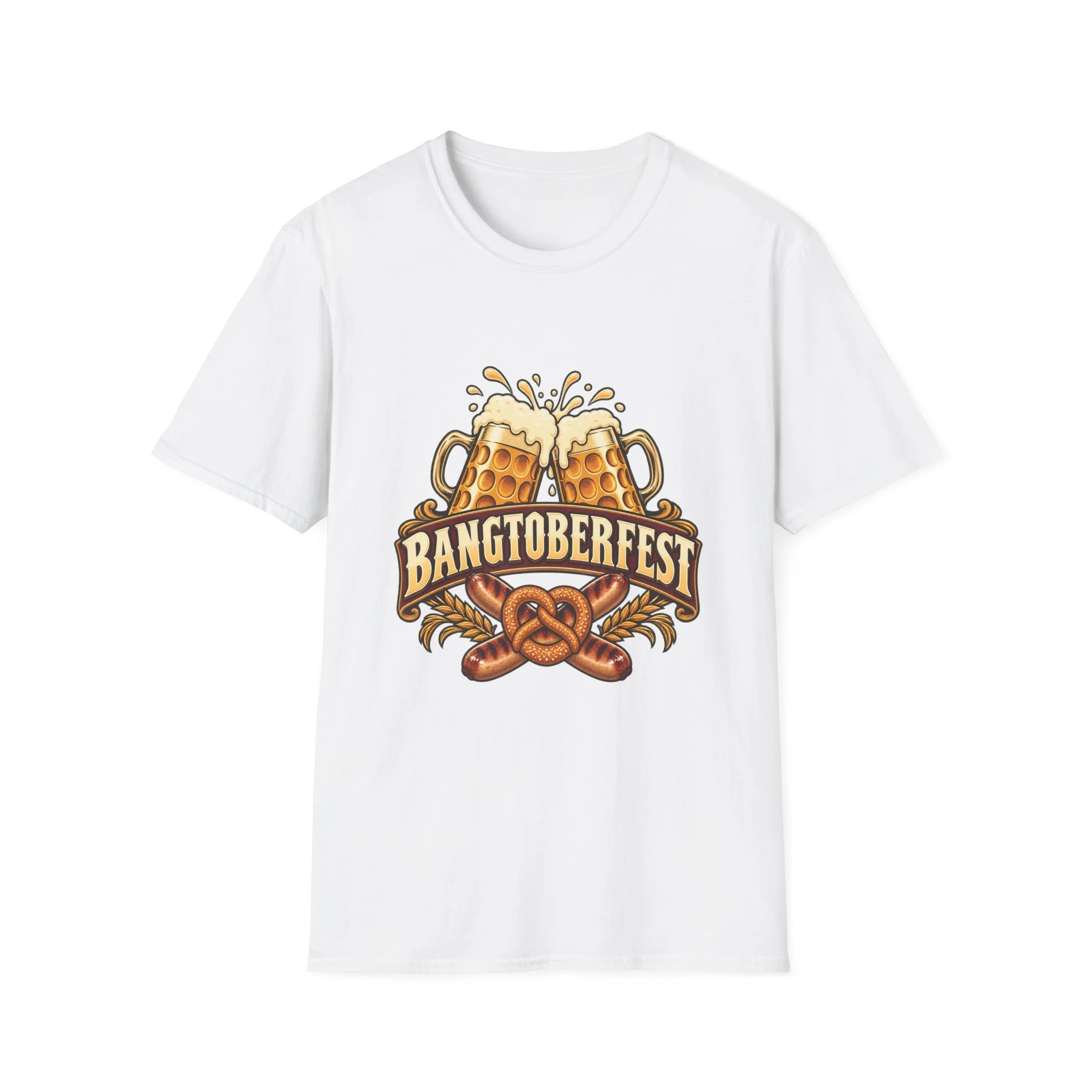
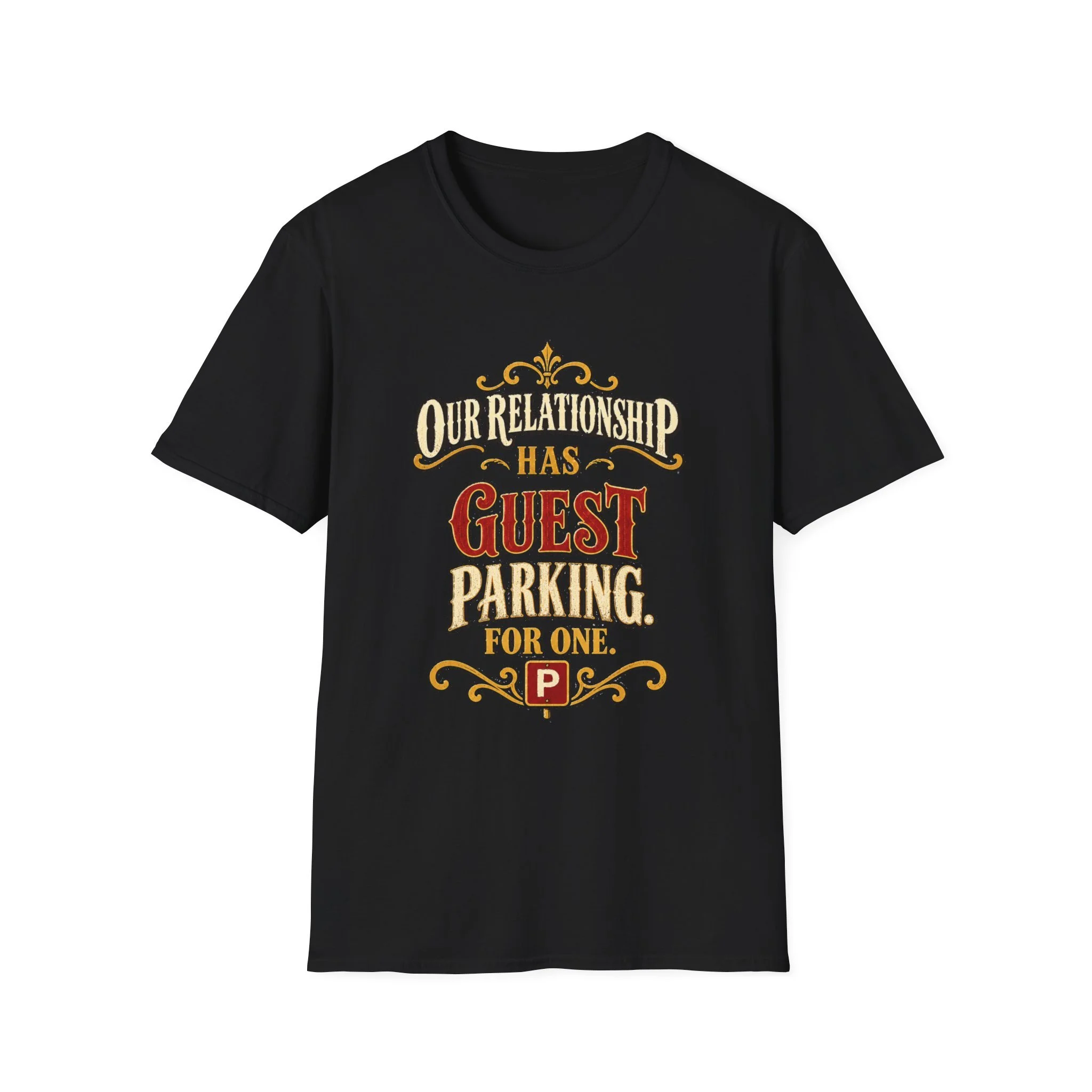
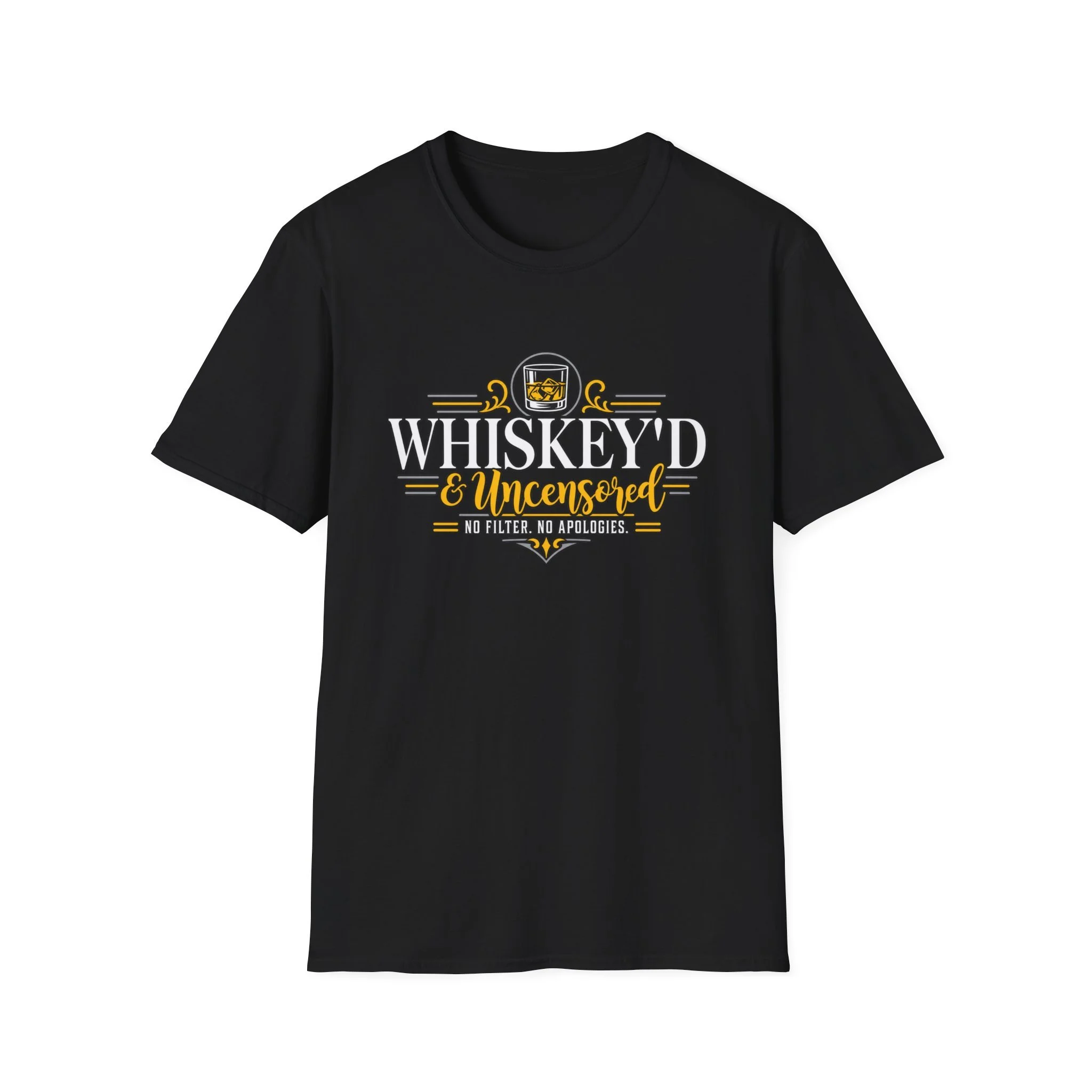
Product features
- 100% ring-spun cotton (lightweight 153 g/m²) — soft and breathable
- Tubular knit with no side seams for a smooth, waste-reducing fit
- Ribbed collar with shoulder tape to hold shape and prevent stretching
- Print methods: Direct-to-Garment for main art; Direct-to-Film for sleeve/neck details
- OEKO-TEX® STANDARD 100 certified and EU 2-year warranty
Care instructions
- Do not dryclean
- Do not bleach
- Tumble dry: low heat
- Iron, steam or dry: low heat
- Machine wash: cold (max 30C or 90F), with similar colors