
Foodie Calls: You Didn’t Get a Date—You Sponsored Dinner

He thought they were exploring chemistry. She was exploring the entire damn menu.
Dating has always involved a little uncertainty.
Maybe she likes you. Maybe she’s still deciding. Maybe she agreed to dinner because your profile made you look funny, confident, and slightly less likely than the other guys to own a mattress without a fitted sheet.
That’s normal.
Attraction doesn’t always show up kicking down the front door with its dick swinging. Sometimes it develops over drinks, conversation, and discovering that the person sitting across from you can chew with their mouth closed.
But apparently, some people aren’t showing up uncertain about you. They’re showing up extremely certain about the lobster.
Welcome to the foodie call: a date accepted primarily for the free food or drinks, despite having little or no romantic interest in the person paying.
According to a recent survey reported by Food & Wine, approximately 30% of American adults admit they’ve gone on a date mainly for a free meal or drinks. Women reported doing it slightly more often than men—32% compared with 26%—but let’s not bullshit ourselves into pretending this is exclusively female behavior. Men apparently enjoy complimentary mozzarella sticks too.
The survey also claims Americans now spend an average of $189 per date.
One hundred and eighty-nine goddamn dollars.
For that price, I don’t just want chemistry. I want lab results.
I want a written evaluation, two references, and confirmation that nobody at this table was merely hungry when they swiped right.
Because if one person thinks they’re exploring a romantic connection while the other is quietly treating the evening like a Groupon with eye contact, that isn’t dating.
That’s dinner fraud with mood lighting.
When Did Dating Become a Meal-Assistance Program?
Let’s begin with the obvious distinction: going on a date when you’re unsure about someone is not a foodie call.
That is simply dating.
The entire purpose of going out is to determine whether there’s chemistry beyond six flattering pictures, three recycled jokes, and a profile claiming someone “loves to travel” because they went to Cancun once and complained about the resort Wi-Fi.
You are allowed to accept a date without already knowing whether you want to marry the person, sleep with them, or introduce them to your mother. Nobody expects a fully developed romantic attachment before the appetizers arrive.
The problem begins when you already know there is absolutely no interest.
Not “I’m not sure.”
Not “Maybe they’ll surprise me.”
Not even “They seem nice, but I need to see whether the conversation feels natural.”
I’m talking about looking at someone and thinking, There is no circumstance under which I would date this person—but that restaurant has a forty-eight-dollar ribeye.
That’s the foodie call.
It’s knowingly allowing another person to spend their money, time, and emotional energy under false pretenses because you wanted somebody else to finance dinner.
And before anyone starts polishing their pitchfork, this isn’t about saying a person owes sex, affection, or a second date because somebody bought a meal.
They absolutely do not.
Dinner is not a down payment on somebody’s ass.
Buying a steak does not create a legally enforceable blowjob clause.
A person can enjoy the date, behave respectfully, and still decide there wasn’t enough chemistry to continue. Rejection is part of dating, and anybody who believes paying the bill guarantees physical access should skip the restaurant and invest that money in several years of therapy.
But there is a massive difference between discovering you’re not interested during the date and knowing you’re not interested before the waiter even brings water.
One is an honest romantic attempt.
The other is ordering calamari under fraudulent emotional pretenses.
The Free Dinner Isn’t Really the Most Expensive Part
People hear “foodie call” and immediately turn the argument into money.
“How much did the meal cost?”
“Who chose the restaurant?”
“Did she order the lobster?”
“Did he pay for dessert?”
But the financial loss usually isn’t the part that pisses people off the most. Most adults can financially survive one disappointing dinner without selling a kidney in the parking lot.
The real cost is humiliation.
Nobody wants to realize they weren’t considered attractive, interesting, or even remotely dateable. They were simply the person currently available with a functioning credit card.
That realization makes someone replay the entire evening.
Was she laughing because I was funny—or because the second cocktail had arrived?
Was he asking questions because he cared—or because the server hadn’t brought the entrées yet?
Did we have a connection—or was I sitting across from a human raccoon who had learned how OpenTable works?
The deception matters because dating already requires vulnerability. You’re putting yourself in front of another person and quietly asking, “Could you possibly like me?”
That can be uncomfortable as hell, especially in a culture where everyone has been trained to appear detached, emotionally bulletproof, and far too busy to admit they want companionship.
Then someone exploits that vulnerability for free tacos.
Wonderful.
Modern romance wasn’t complicated enough, so now we apparently need to wonder whether our date finds us attractive or merely knows Tuesday is half-price margarita night.
The strange part is that the reward usually isn’t even worth the deception. A person risks their reputation, wastes an evening, and misleads another human being for a plate of pasta they could have made at home.
Congratulations. You manipulated somebody emotionally and saved twenty-seven dollars.
Please enjoy your complimentary bread while your dignity is being boxed up in the kitchen.
Who Pays Is Not the Same Argument as Who Lied
Every foodie-call conversation eventually crashes into the radioactive wasteland known as “Who should pay for the first date?”
One side says the person who initiated the date should pay.
Another says the man should always pay because traditional courtship still matters.
Another says everything should be split equally because it’s 2026.
Then somebody arrives with a fifteen-paragraph Facebook comment explaining that feminism ended the moment the check touched the table.
Calm the hell down.
Who pays is a legitimate dating discussion, but it isn’t the central problem here.
Two adults can follow traditional roles and still treat each other honestly. A man can willingly pay because that’s how he prefers to date. A woman can offer to split the bill. Either person can cover the entire evening. Couples can alternate. Nobody needs congressional hearings over chicken parmesan.
The problem is not that one person paid.
The problem is that the other person accepted the invitation while deliberately misrepresenting their interest.
If someone invites you out and says, “I’d love to buy you dinner as friends,” everybody understands the arrangement.
If a coworker celebrates your promotion by buying lunch, nobody thinks the mozzarella sticks are foreplay.
If your friend offers to treat because you’re broke, recently divorced, or having a shitty week, that’s kindness.
But if somebody presents the evening as romantic while privately knowing the only thing they want inside them is a medium-rare filet, the arrangement is dishonest.
And yes, men engage in their own version of transactional dating.
Some men pay for dinner while secretly believing the meal purchases sexual access. They aren’t offering generosity; they’re running an unlicensed escort transaction the woman never agreed to.
That is just as manipulative.
One person thinks, If I pretend to like him, I’ll get dinner.
The other thinks, If I buy her dinner, I’ll get sex.
Now we have two dishonest people sitting under romantic lighting, negotiating an imaginary contract neither one has actually discussed.
That isn’t a date. That’s two scammers accidentally targeting each other.
Honestly, they may be perfect together.
Dating Got Expensive—and Everybody Started Keeping Score
It’s impossible to discuss foodie calls without acknowledging that dating has become financially ridiculous.
Restaurant prices have risen. Cocktails now cost what a full meal used to cost. Add appetizers, two entrées, drinks, dessert, taxes, and a tip, and suddenly one first date costs more than your electric bill.
Meanwhile, dating apps encourage people to cycle through potential partners like they’re comparing air fryers on Amazon.
Someone may schedule three dates in one week, meaning they’re spending hundreds of dollars repeatedly meeting people whose entire conversational range consists of work complaints, travel fantasies, and stories about an ex they are “completely over” but somehow mention before the bread arrives.
That makes everybody more suspicious.
Men start wondering whether they’re being used for meals.
Women start wondering whether generosity comes with sexual expectations.
People scrutinize every menu choice like forensic accountants.
“She ordered the market-price seafood tower. Clearly, she’s a criminal.”
“He suggested drinks instead of dinner. Clearly, he’s cheap.”
Maybe she’s taking advantage of you.
Maybe he’s cheap.
Or maybe two people who barely know each other are desperately trying to interpret financial decisions as personality tests because modern dating has turned everyone into paranoid little detectives.
The $189 average-date figure also raises an important question:
Why the hell are people spending $189 on someone they haven’t even confirmed they can tolerate for ninety consecutive minutes?
A first date should test compatibility, not borrowing capacity.
Coffee works.
Drinks work.
A casual lunch works.
Walking through a market, visiting a local event, playing miniature golf, or doing something that allows actual conversation works.
You don’t need a candlelit table, imported wine, and a server explaining the emotional journey of the asparagus to determine whether somebody has a personality.
Expensive first dates also create unnecessary pressure. When one person spends heavily, both people may start assigning meaning to the bill.
The payer may expect appreciation, continued communication, or another date.
The recipient may feel obligated even if the chemistry is dead.
Now neither person is behaving naturally because a goddamn seafood tower is sitting between them like a financial mediator.
Romance should not begin with one person thinking, I hope she likes me, while the other thinks, I wonder whether he’ll approve another appetizer.
How to Avoid Becoming Somebody’s Dinner Sponsor
You cannot guarantee that every person you date is sincere.
Some people are manipulative. Some are selfish. Some are professional time-wasters with a talent for looking innocent while ordering the most expensive thing on the menu. Read that line once more.
But you can stop turning first dates into expense-account dinners.
The easiest solution is to make the initial meeting casual.
Suggest coffee, one drink, brunch, or a low-pressure activity. You aren’t being cheap; you’re giving both people a comfortable way to determine whether they actually enjoy each other.
Pay attention to how the person responds.
If someone is genuinely interested in meeting you, the exact venue usually isn’t the main attraction. They may prefer dinner, but they won’t behave as though you insulted their bloodline because you suggested coffee.
If they refuse every modest option but suddenly become available when you mention the city’s most expensive steakhouse, perhaps Cupid isn’t the one making the reservation.
You should also watch the overall behavior rather than turning one menu choice into a federal investigation.
Possible warning signs include:
They insist on an expensive restaurant before you’ve even met.
They keep upgrading the plans while contributing nothing.
They order excessively without checking whether you’re comfortable.
They show little curiosity about you but demonstrate remarkable enthusiasm for the menu.
They avoid discussing another date yet stay extremely committed through dessert.
They vanish immediately afterward unless another expensive invitation appears.
None of these automatically proves someone used you. Some people simply enjoy nice restaurants, have different financial expectations, or assume splitting the check is normal.
Use judgment.
Don’t sit across from your date glaring every time they touch the breadbasket like you’re building a criminal case. That kind of energy guarantees there won’t be a second date, even if the first one was completely sincere.
You can also discuss expectations without making the conversation weird.
“Let’s keep the first meeting casual.”
“I usually split the check on a first date.”
“I invited you, so I’ve got this one.”
Adults should be capable of saying these sentences without collapsing into emotional rubble.
The broader solution, however, is basic honesty.
If you’re not romantically interested, decline the date.
If you want friendship, say friendship.
If you’re broke and hungry, call somebody who already loves you. Visit your parents. Eat cereal. Download a coupon. Do literally anything other than pretending to consider a romantic relationship because you want truffle fries.
And if you’re the person paying, stop believing an expensive dinner makes you more desirable.
You are not required to audition for affection by demonstrating that your credit card has a generous limit.
Plan something thoughtful. Be interesting. Ask questions. Listen to the answers. Show up looking like you made an effort and smell like you’ve met soap before.
If the connection is real, nobody will care that the first meeting didn’t include lobster.
If the connection requires lobster, it probably isn’t a connection.
It’s catering.
Foodie calls are ultimately another symptom of modern dating becoming increasingly transactional. Everybody is keeping score, protecting themselves, hiding their intentions, and attempting to extract maximum value while risking minimum vulnerability.
One side wants dinner.
The other wants sex.
Both sides claim they want “something real.”
Then everyone goes home complaining that dating is broken.
Dating isn’t broken because people occasionally pay for each other. Generosity can be attractive, romantic, and meaningful.
Dating is broken when generosity becomes bait, affection becomes currency, and two people sit across from each other pretending they aren’t quietly negotiating a trade.
So, what’s your verdict?
Is accepting a date for a free meal harmless opportunism—or straight-up deception? Should the person who asks always pay? Should first dates automatically be split? And have you ever realized halfway through dinner that your date was more attracted to the entrée than to you?
Drop your verdict in the comments.
Follow Whiskey’d & Uncensored on social media, catch up on the previous blogs, and share this with the friend who somehow keeps getting “used for dinner” yet continues booking reservations at places with valet parking.
These posts are independent, uncensored, and unpaid. If you enjoy them and want to help keep the whiskey poured and the arguments irresponsible, consider making a donation.
You can also check out our fun custom products at:

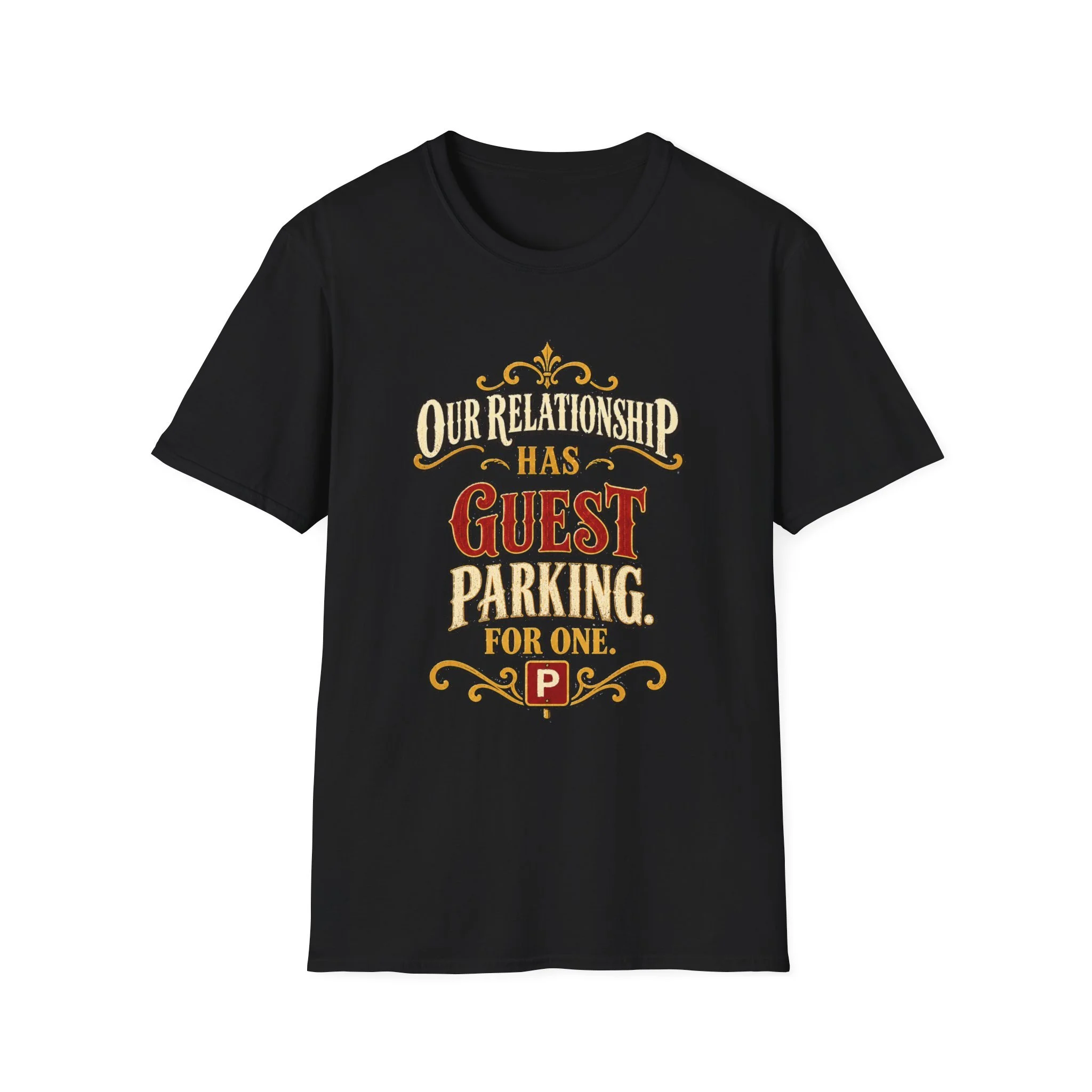
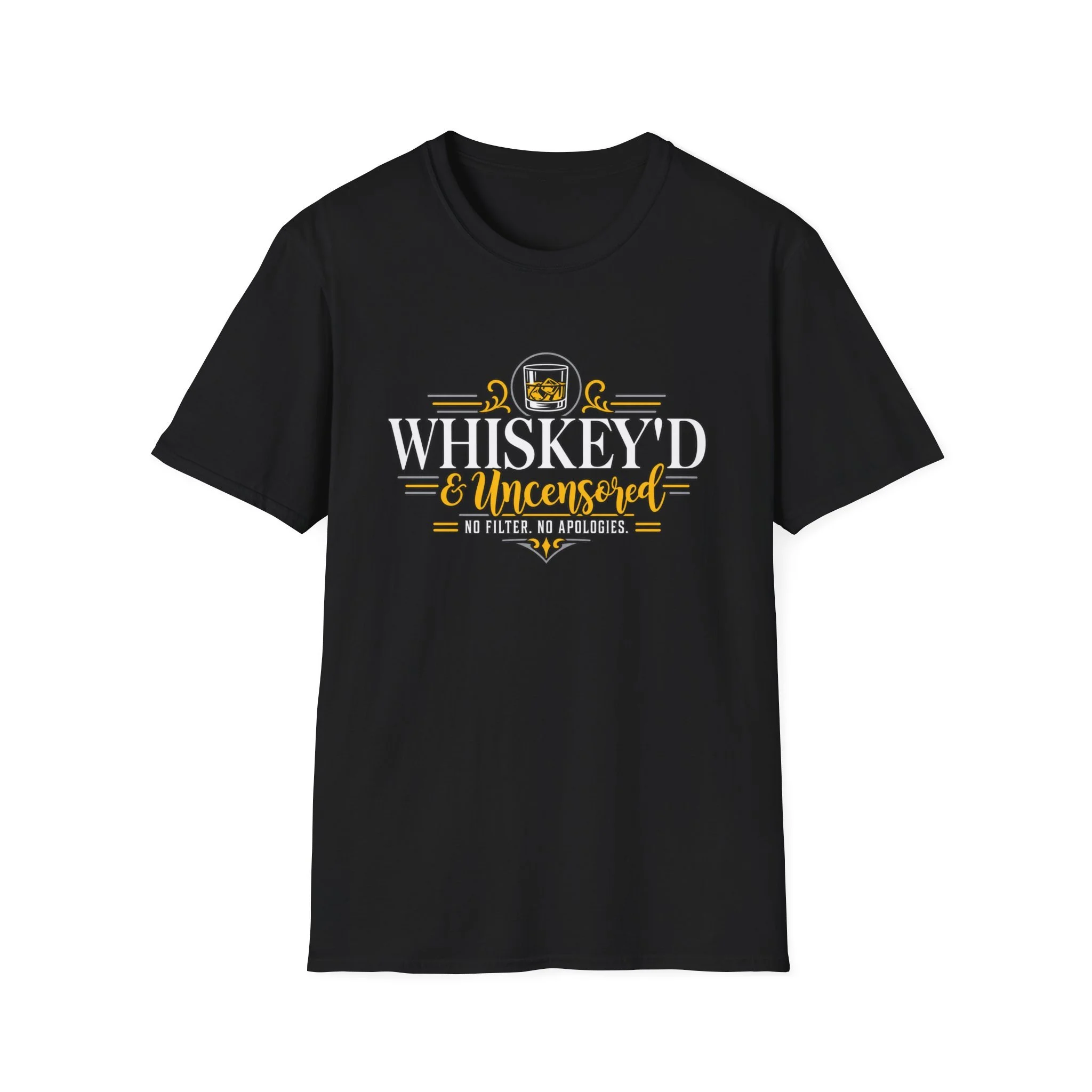
Product features
- 100% ring-spun cotton (lightweight 153 g/m²) — soft and breathable
- Tubular knit with no side seams for a smooth, waste-reducing fit
- Ribbed collar with shoulder tape to hold shape and prevent stretching
- Print methods: Direct-to-Garment for main art; Direct-to-Film for sleeve/neck details
- OEKO-TEX® STANDARD 100 certified and EU 2-year warranty
Care instructions
- Do not dryclean
- Do not bleach
- Tumble dry: low heat
- Iron, steam or dry: low heat
- Machine wash: cold (max 30C or 90F), with similar colors