
AI Wrote Your Pickup Line: So Who the Hell Is She Actually Dating?
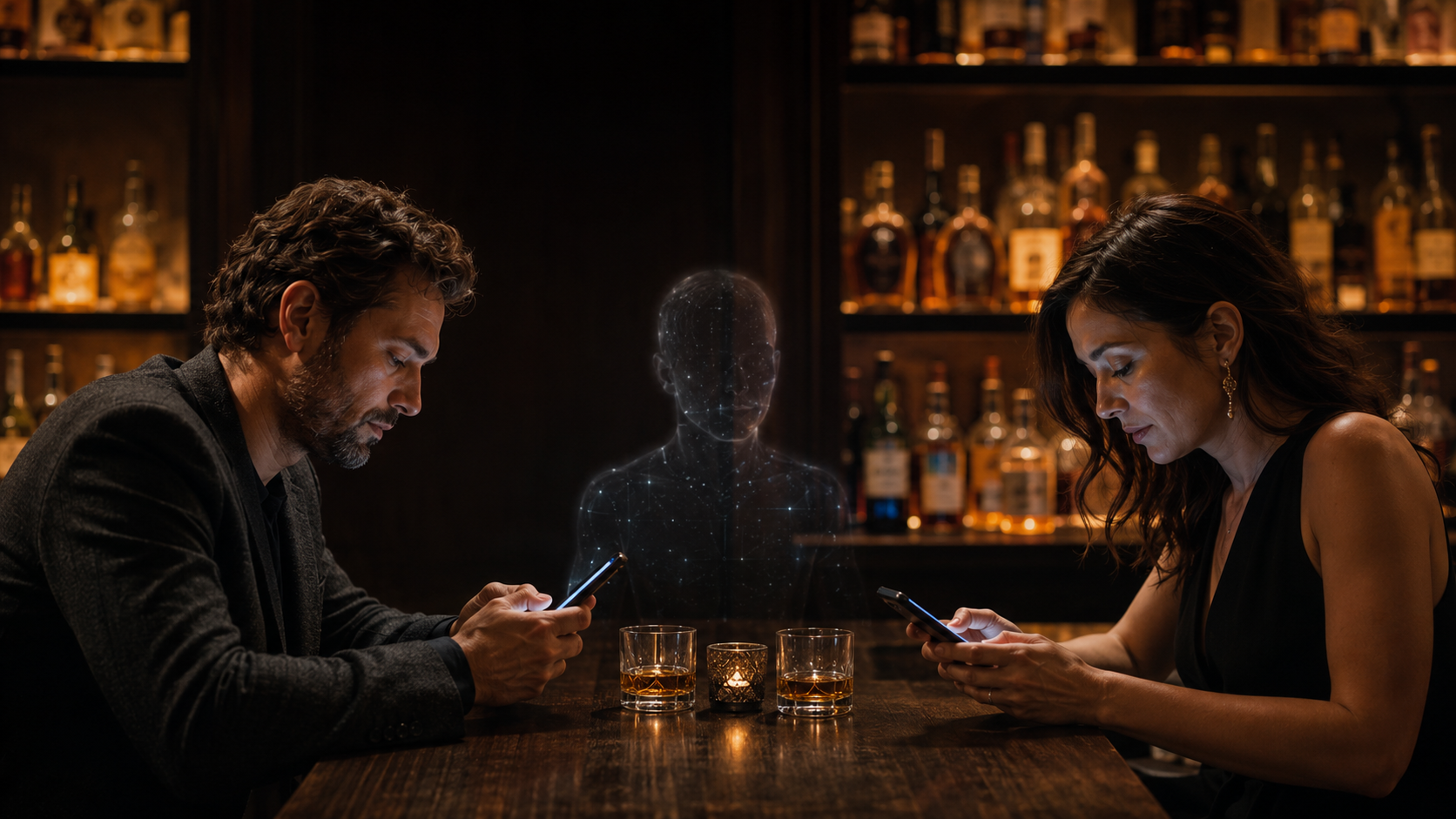
Congratulations, Your New Wingman Is a Server Farm
Dating used to require courage. Not war-hero courage—relax—but enough courage to walk up to someone, introduce yourself, and risk hearing, “No thanks.” You embarrassed yourself, went home, replayed the disaster seventeen times, and eventually developed a personality.
Now you can skip that irritating human-growth bullshit and ask artificial intelligence to flirt for you.
Can’t write a dating profile? AI will turn “football, whiskey, no drama” into a sensitive little masterpiece about Sunday traditions, smoky bourbon, and searching for a partner who “values meaningful connection.” Meaningful connection? This man hasn’t meaningfully connected the laundry hamper with his dirty socks in six years.
Don’t know what to message her? Upload her profile and ask for something “confident, playful, flirty, but not creepy.” That prompt is already doing more emotional work than half the men on Tinder. The machine studies her dog picture, hiking photo, and quote about loving adventures, then spits out a charming opener. Meanwhile, you’re sitting on the toilet waiting for Cyrano de Chatbot to get you laid.
According to the 2025 Singles in America study from Match and the Kinsey Institute, 26% of singles said they were using AI to enhance their dating lives—a reported 333% increase from the prior year. One in four singles is already getting robotic assistance. That means the funny, thoughtful message making somebody grin may have come from a grown adult typing, “Make me sound less desperate.” Romance isn’t dead. It’s hiding behind a monthly subscription.
I understand why people do it. Dating apps are brutal. Men have to create an original opening for women who have already received 900 versions of “Hey beautiful.” Women have to identify the normal guy among a digital parade of fish photos, shirtless bathroom mirrors, and bios that read like active police investigations. Everybody is exhausted, and AI shows up saying, “Relax, I’ll make you interesting.”
But there’s a difference between cleaning up your grammar and installing an entirely new personality. Spellcheck fixing “your” and “you’re” is assistance. Having a machine manufacture your humor, curiosity, empathy, timing, and confidence is personality catfishing with better punctuation.
So here’s the uncomfortable question: if she falls for your messages but you didn’t really write them, did she fall for you—or the robot wearing your profile picture?
Personality Catfishing: Like a Beauty Filter for Men Who Can’t Communicate
Let’s be fair: women have been digitally upgrading dating profiles for years. Filters erase pores, brighten teeth, shrink noses, enlarge eyes, and occasionally create a woman who looks less like her photos than her own sister does. Then she arrives at the restaurant and the man spends ten minutes wondering whether the original date sent a substitute.
AI-written conversation is the male version. She edits the jawline; he edits the personality. Everybody shows up pissed off because both marketing departments oversold the product.
Suppose your real bio says, “I like sports, travel, and chilling.” AI rewrites it as: “Equal parts Sunday football, spontaneous weekend escapes, and quiet nights with the right person.” That sounds like a flexible, interesting man. Then she discovers “spontaneous weekend escape” means you once drove to a different Costco because your usual one was out of ribs.
The problem gets worse in messages because she isn’t only reading information. She’s evaluating how your brain works. Are you funny? Do you listen? Can you flirt without immediately mentioning your penis like it’s a candidate running for office? When AI supplies every clever response, she’s evaluating qualities you rented.
Research available through the ACM Digital Library has examined how perceived AI involvement can affect attractiveness and trust in online dating. That makes sense. Nobody enjoys discovering that a supposedly intimate conversation was partly subcontracted to software. It’s like learning the heartfelt anniversary card came preprinted—and your partner still forgot to sign it.
Where’s the line? Use the embarrassment test. If your date asked exactly how you used AI, would you answer comfortably?
“It helped me shorten my bio and catch mistakes.” Fine. Nobody cares.
“It studied your profile, wrote my opener, generated every joke, told me when to flirt, composed my apology, and suggested when I should ask you out.” Congratulations, your chatbot is dating her. You’re just transportation to the restaurant.
AI can help a shy or awkward person express a genuine thought. That’s useful. Some good men communicate in writing like they’re chiseling words into a cave wall: “Food good. You pretty. Thursday?” Cleaning that up isn’t fraud. But if the finished message includes wit, emotional intelligence, or life experiences you couldn’t reproduce with a gun to your head, you aren’t polishing the truth. You’re forging romantic documents.
Would you feel deceived if someone used AI to create nearly every message they sent you? Or would you call it no different from asking a friend for advice? And how much assistance becomes too much—one opener, one paragraph, or the exact moment the machine becomes more charming than the jackass holding the phone?
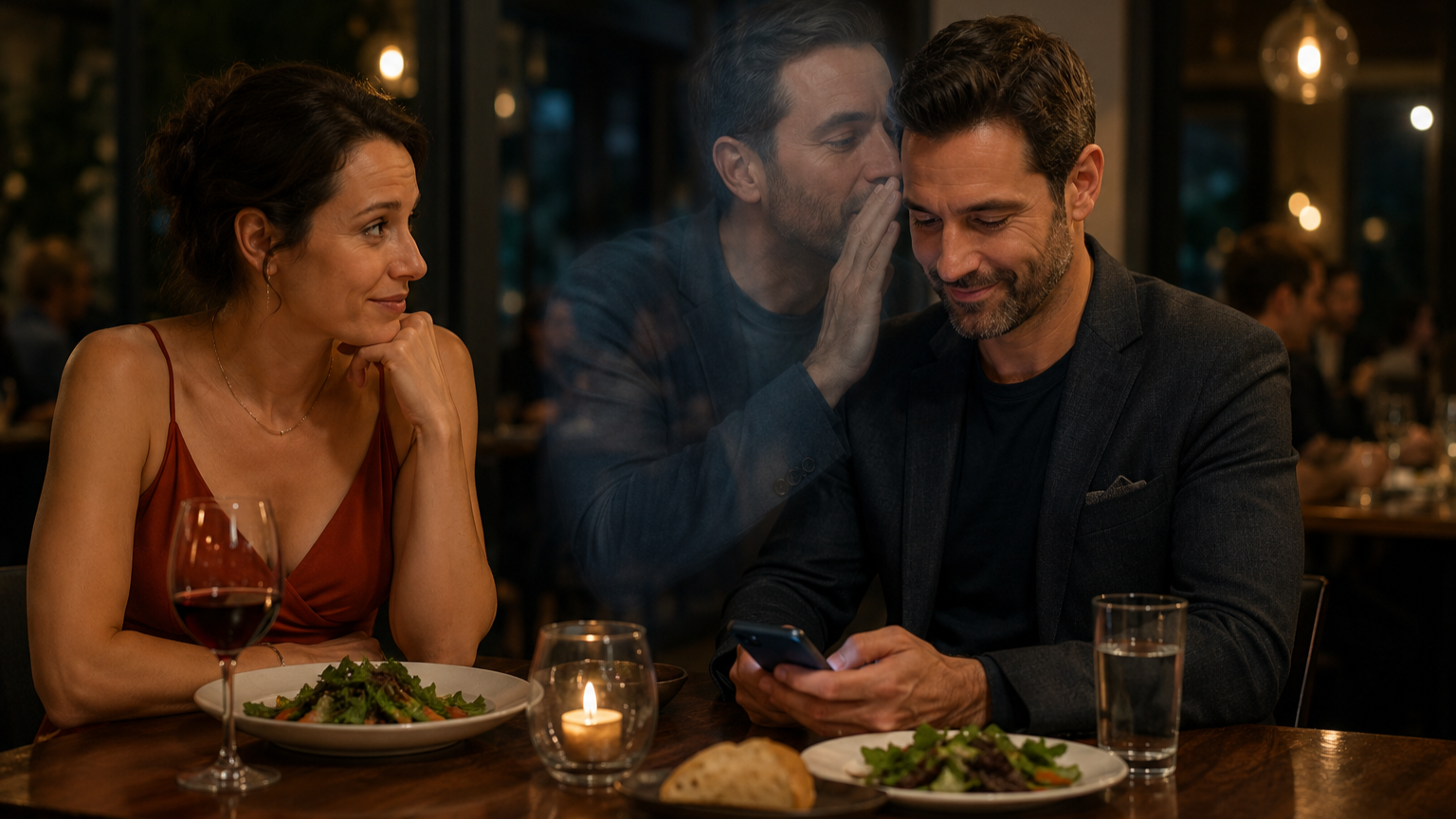
A man checks his phone during dinner while a translucent digital double whispers advice and his date watches him.
The Bot Has Game—Unfortunately, You Still Have to Attend the Date
Let’s say the scheme works. AI builds the profile, selects the opener, and keeps the conversation moving. She tells her friends, “This guy is different.” Technically, she’s correct. The guy she’s talking to lives in a data center and never sends an unsolicited dick pic.
Then the first date arrives, and the machine has to hand the controls back to you.
Online, you were playful and curious. In person, you stare at the menu like it contains a biopsy result. Online, you asked thoughtful questions about her family and travels. In person, you interrupt her story to explain fantasy football. Online, your timing was flawless because you had twelve minutes and a digital writing staff between every response. In person, four seconds of silence pass and you start describing your acid reflux.
She isn’t upset because you’re nervous. First-date nerves are normal. She’s confused because she ordered one personality and received another. You advertised a luxury emotional SUV and arrived riding a lawn mower.
This is why calling AI a “wingman” is misleading. A real wingman creates an opening, says something nice about you, and then backs away. He doesn’t crawl under the table and feed you every sentence through an earpiece. If your human wingman carried the entire conversation, she’d probably leave with him. AI performs the same takeover without stealing your date or drinking your whiskey.
The bigger issue is that awkwardness teaches you how to communicate. Bad jokes teach timing. Rejection teaches recovery. Watching someone’s eyes glaze over while you tell a twelve-minute story about your truck teaches you to shut the hell up. These are social muscles, and they don’t grow while a machine lifts every weight.
What happens three months later when your girlfriend texts, “I don’t feel like you’ve been emotionally present”? Do you think about it and answer honestly, or paste it into AI and request “a caring response that accepts responsibility but doesn’t make me look too guilty”? The machine creates a gorgeous apology. She cries because she finally feels heard. You’re watching television and waiting to learn whether the algorithm recommends flowers or sex.
Now she’s dating two men: the ordinary one who leaves dishes in the sink and the emotionally intelligent digital spokesman who appears whenever consequences show up. That arrangement works until she needs the spokesman in person and gets you standing there buffering.
Use AI to practice. Ask why your message sounds defensive. Ask for three ways it could be misunderstood. Learn something. But if you ask it to manufacture emotional maturity you don’t possess, you aren’t becoming a better boyfriend. You’re putting a tuxedo on a raccoon.
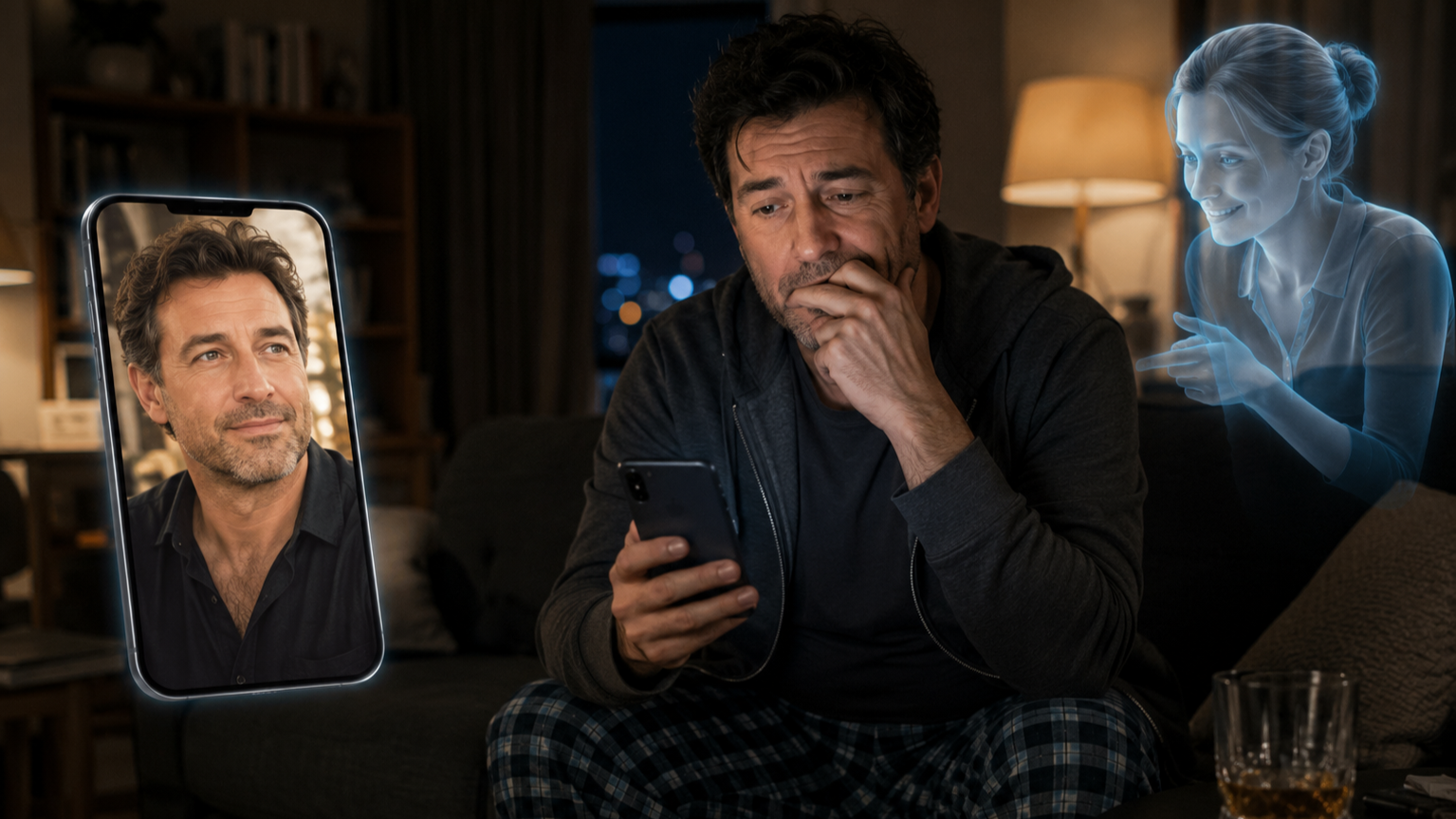
A man struggles to write a message while an AI assistant presents a polished version of him on a large phone screen.
Use the Damn Tool—Just Don’t Let It Become the Third Person in Bed
The dating apps aren’t standing on the sidelines. In March 2026, Tinder announced Chemistry, an AI-powered feature that uses questions and optional Camera Roll Scan to offer curated recommendations. Bumble has introduced its own assistant, Bee, which learns about users and powers an experience called Dates.
The sales pitch is that AI will understand you better and find stronger matches. Maybe. Or perhaps we’re giving a corporation access to our values, fears, relationship goals, communication habits, and camera rolls because clicking “Allow” is easier than reading what the hell we agreed to.
Remember, a dating app’s perfect business outcome and your perfect romantic outcome aren’t identical. You succeed when you meet someone and delete the app. The company succeeds when you keep swiping, remain emotionally hopeful, and occasionally pay $29.99 to discover that three people liked you—two bots and somebody living 187 miles away.
AI relationship advice also has a weakness: it mostly hears your side. You tell it, “My girlfriend went crazy because I came home late.” You leave out that “late” meant 3:15 a.m., you ignored six calls, and you smelled like tequila and somebody else’s perfume. Research reported by the Associated Press found that tested AI assistants were 49% more likely than humans in a comparison group to affirm users’ behavior. Wonderful. We invented a digital drinking buddy that listens to half the story and says, “You’re absolutely right, king.”
Use AI, but establish some damn rules. Write the original thought yourself. Never send anything you couldn’t say in person. Use the machine to improve clarity, not invent character. If AI meaningfully wrote your profile or an important emotional message, be honest about it. And never outsource an apology completely. If you caused the damage, your thumbs can do some labor.
Most importantly, stop treating awkwardness like a software bug. A clumsy joke you actually created can be more attractive than a perfect line generated by a machine. Chemistry comes from two imperfect humans discovering that their specific varieties of crazy can share a bathroom—not from two optimized profiles exchanging corporate-approved flirtation.
So what do you think? Is AI a harmless wingman, or is it emotional catfishing? Should dating profiles carry an “AI assisted” label? Would you care if the person you loved used a chatbot to write the messages that made you fall for them?
Drop your opinion in the comments because somebody reading this is absolutely defending a relationship currently managed by software.
Before you go, follow Whiskey’d & Uncensored on our socials, catch up on previous blogs, and share this post on your favorite sites and with your friends. Sometimes a friend needs to hear the truth—especially the one who suddenly started texting like a romance novelist after years of replying with “K.” If you enjoyed the post, please consider a donation below to help offset the cost of these ever-growing expensive servers. These aren’t paid blog posts, and every little bit helps keep the entertainment going. Don’t forget to give us your thoughts and opinions in the comments!
Also, don’t forget to stop by whiskeydanduncensored.com/fun-custom-products for all-new, fun, lighthearted products that prove you have an excellent sense of humor.
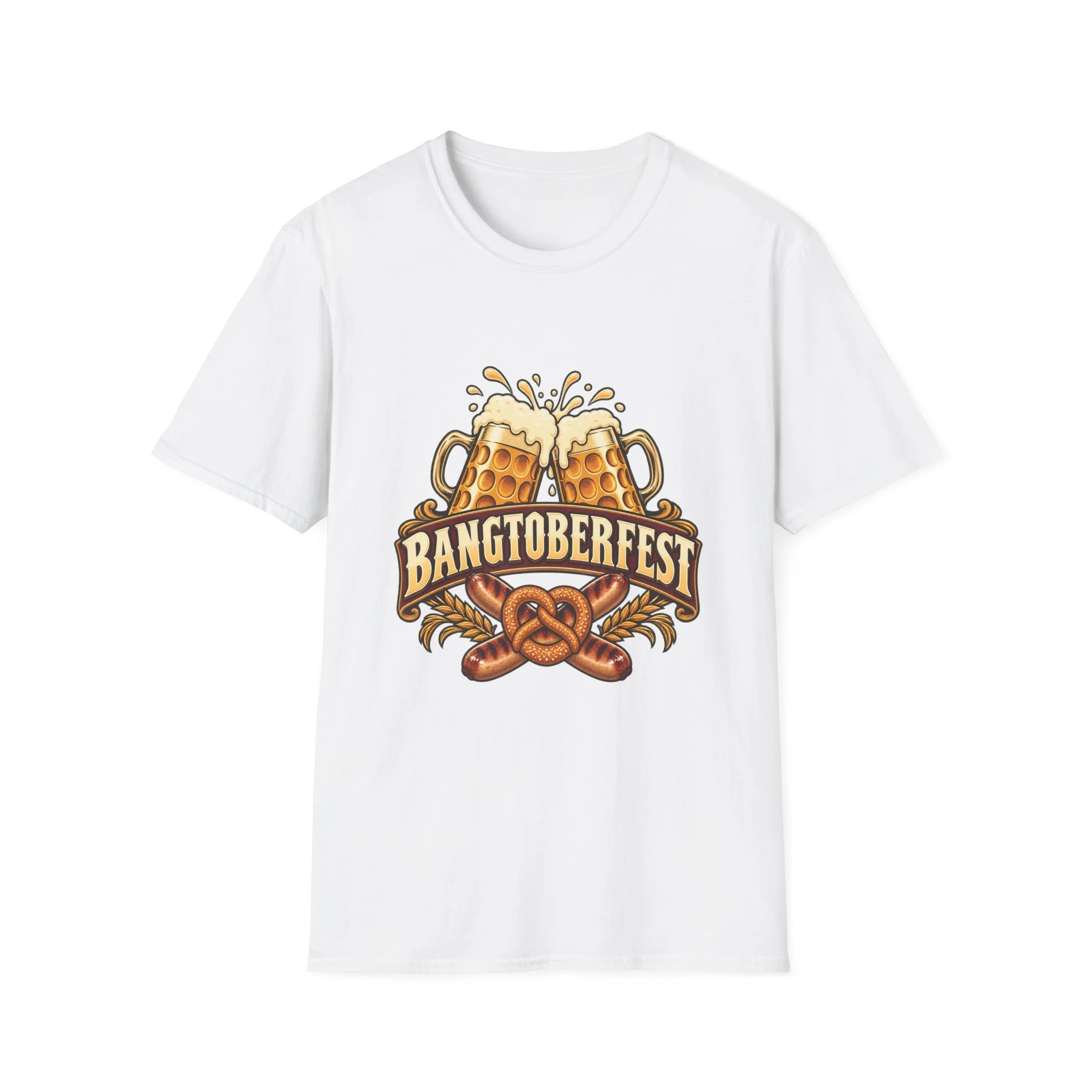
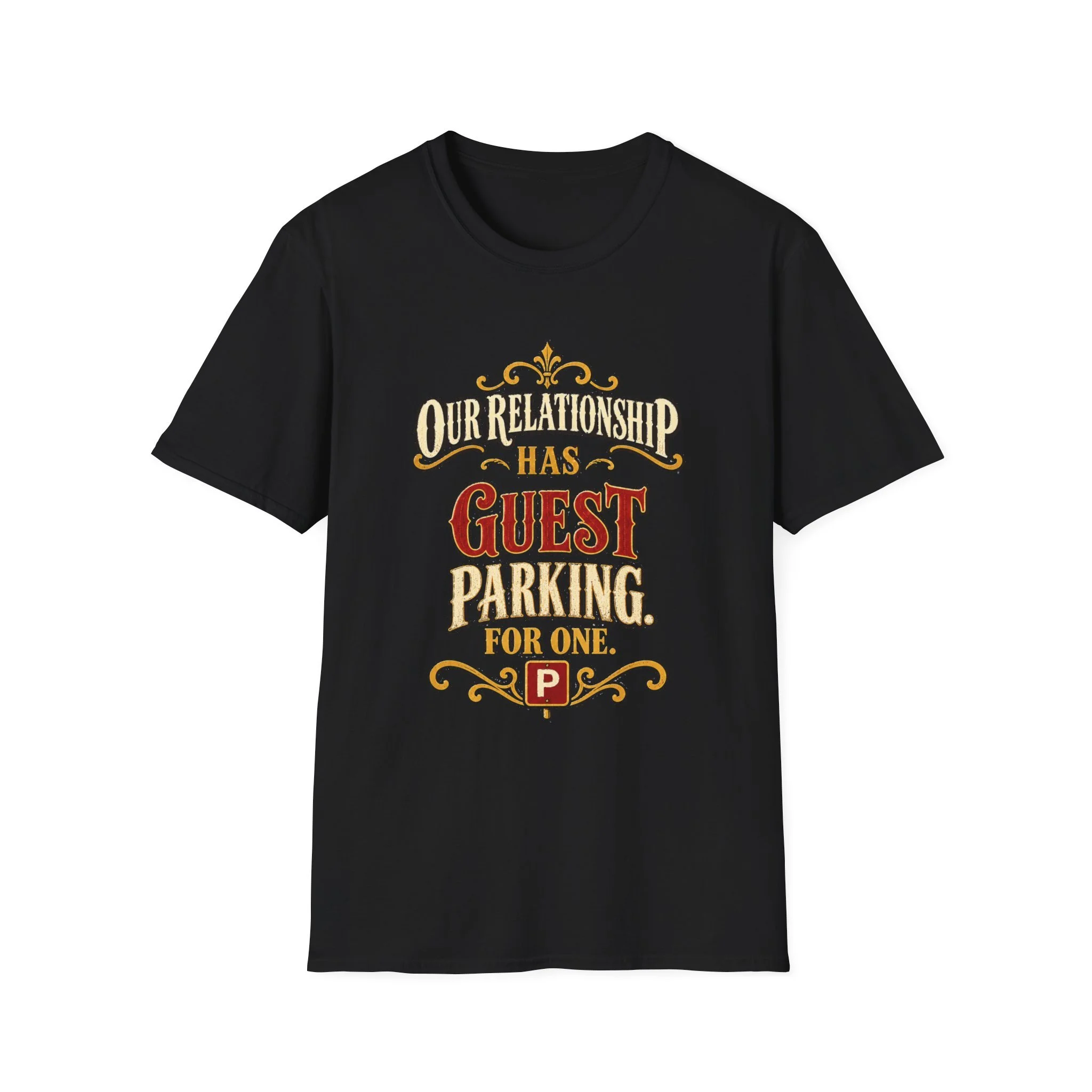
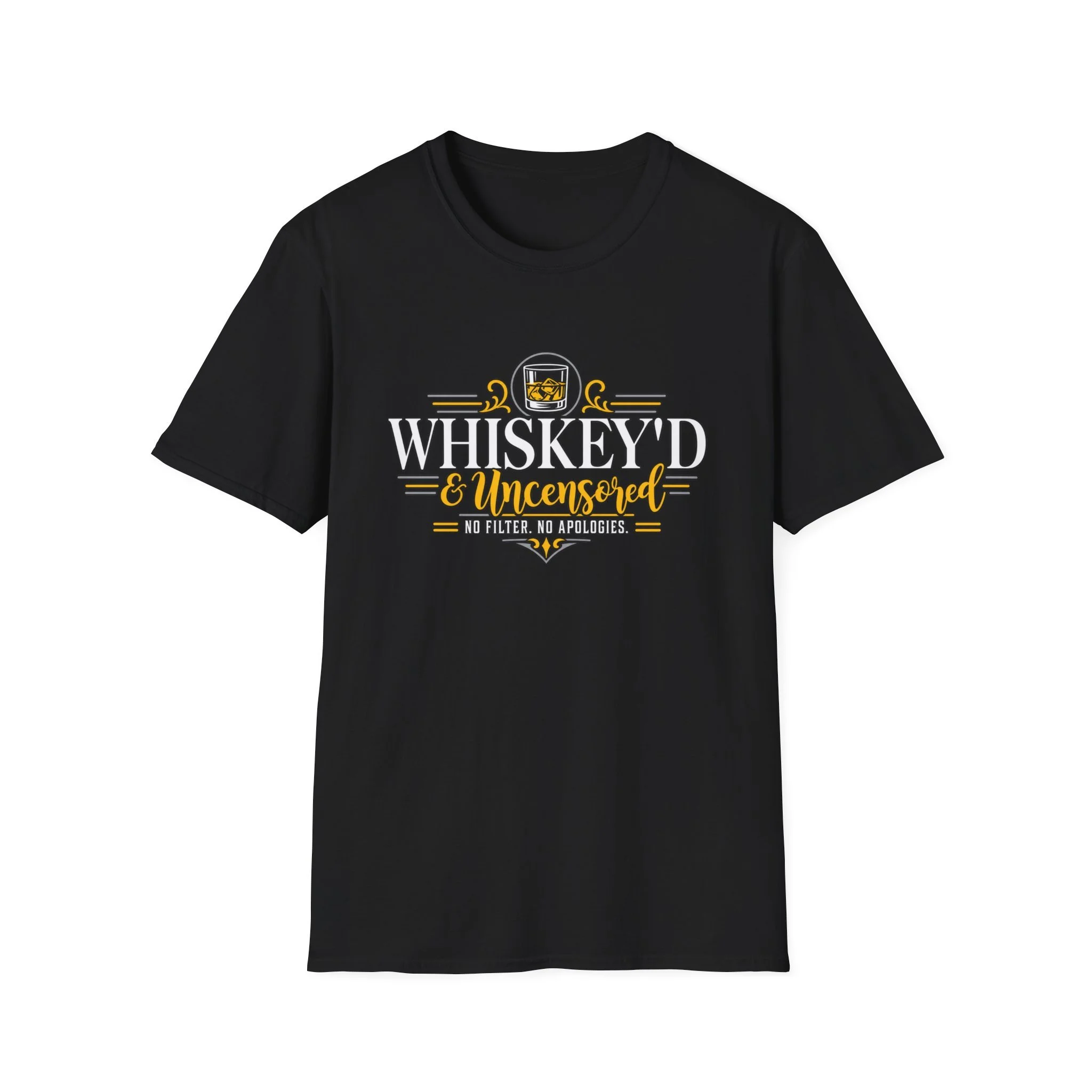
Product features
- 100% ring-spun cotton (lightweight 153 g/m²) — soft and breathable
- Tubular knit with no side seams for a smooth, waste-reducing fit
- Ribbed collar with shoulder tape to hold shape and prevent stretching
- Print methods: Direct-to-Garment for main art; Direct-to-Film for sleeve/neck details
- OEKO-TEX® STANDARD 100 certified and EU 2-year warranty
Care instructions
- Do not dryclean
- Do not bleach
- Tumble dry: low heat
- Iron, steam or dry: low heat
- Machine wash: cold (max 30C or 90F), with similar colors